Showing posts with label Articles. Show all posts

Wednesday, 26 May 2010

ഈ വാര്‍ത്ത തെറ്റോ ശരിയോ എന്തെങ്കിലും ആകട്ടെ.!

ഇന്ത്യക്കാരാ ,മലയാളീ .....എവിടെയും നിയമം പാലിക്കാന്ശ്രമിക്കൂ .
സ്വയം നിയമത്തെ  അനുസരിക്കുക .
നിയമത്തെയും സുരക്ഷാ നിര്ദ്ദേശ ങ്ങളെയും പുല്ലുപോലെ അവഗണിച്ചു കൊണ്ടു വിമാനത്തിനകത്ത് പെരുമാറുന്നവരെ നമ്മള്ഒന്ന് പരുഷമായി നോക്കുകയെങ്കിലും  ചെയ്യണം .

അല്ലെങ്കില്തന്നെ , നിയമ വിരുദ്ദമായ പെരു മാറ്റത്തെ ചോദ്യം ചെയ്യാനും നമുക്ക് അവകാശം ഉണ്ട് മൊബൈല്ഫോണ്ഓഫ്ആക്കാതെ ജാഡ കാണിക്കുന്നവനെ ചെവിക്കു പിടിച്ച് പുറത്തു കളയേണ്ടത് മറ്റു യാത്രക്കാരുടെ സുരക്ഷക്ക് ആവശ്യം ആണെന്ന ബോധം ഓരോ യാത്രക്കാരനും ഉണ്ടാകണം


Tuesday, 25 May 2010

Incense Found To Be Psychoactive

Biologists from Johns Hopkins University and the Hebrew University in Jerusalem have discovered that burning frankincense (resin from the Boswellia plant) activates poorly understood ion channels in the brain that alleviate anxiety and depression, suggesting that an entirely new class of medicinal drugs might be right under our noses.

Reporting their findings in The FASEB Journal, the researchers said
that the active compound - incensole acetate - significantly affected areas in the brain known to be involved in emotions as well as in nerve circuits that are affected by currently prescribed anxiety and depression drugs.

"In spite of information stemming from ancient texts, constituents of
Boswellia had not been investigated for psychoactivity," said researcher Raphael Mechoulam. "We found that incensole acetate, a Boswellia resin constituent, when tested in mice lowers anxiety and causes antidepressive-like behavior. Apparently, most present day worshipers assume that incense burning has only a symbolic meaning."

To make their discovery, the researchers administered incensole

acetate to mice and found that the compound activated a protein called TRPV3, which is present in mammalian brains and also known to play a role in the perception of warmth of the skin. When mice bred without this protein were exposed to incensole acetate, the compound had no effect on their brains.

"Perhaps Marx wasn't too wrong when he called religion the opium of
the people: morphine comes from poppies, cannabinoids from marijuana, and LSD from mushrooms; each of these has been used in one or another religious ceremony." said Gerald Weissmann, Editor-in-Chief of The FASEB Journal. "The discovery of how incensole acetate, purified from frankincense, works on specific targets in the brain should also help us understand diseases of the nervous system. This study also provides
a biological explanation for millennia-old spiritual practices that have persisted across time, distance, culture, language, and religion - burning incense really does make you feel warm and tingly all over!"
 source: http://www.scienceagogo.com/news/20080420185436data_trunc_sys.shtml

Wednesday, 12 May 2010

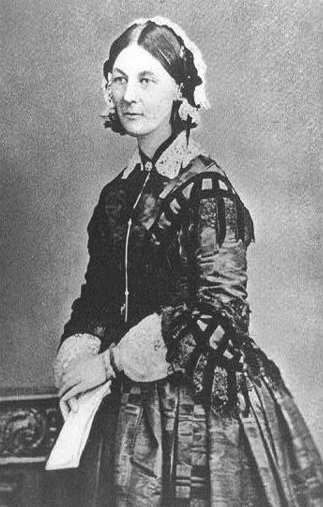
Florence Nightingale: founder of modern nursing.

FLORENCE Nightingale is remembered as 'The Lady With The Lamp,' a nursing saint who brought comfort and hope to thousands of wounded British soldiers in the Crimea. But her influence on British medicine goes much deeper than that.
Taking her Christian name from the Italian city in which she was born in 1820, Florence was the daughter of William Edward Nightingale. she trained as a nurse. first at Kaiserswerth in Prussia in 1851, and later in Paris. She took over as superintendent of a London women's hospital in 1853.
The Crimean War began that same year and within 12 months, disturbing reports were reaching Britain of the suffering caused to the wounded by lack of care and supplies. Florence volunteered to take a party of 38 nurses to the battle zone, setting up her headquarters at Scutari.
There she organised the barracks hospital, introducing badly-needed sanitary measures which massively reduced the hospital's mortality rate after the Battle of Inkerman on November 5th.
Grateful soldiers dubbed her 'The Lady With The Lamp' because of her nightly rounds of the wards.
However, not everything about Florence was sweetness and light. She had blatantly racialist reasons for refusing to work with a black Jamaican nurse called Mary Seacole, who also volunteered for the Crimea and did an exceptional job nursing soldiers at the front line.
By the time she returned to England in 1856, Florence Nightingale had become a national heroine and the public raised the then enormous sum of £50,000 to help her found a nurses' training institute at St Thomas's Hospital and King's College Hospital.

When the Indian Mutiny broke out in 1857 Nightingale offered to leave for India immediately if there was anything she could do. Her services were not required but she became interested in the sanitary condition of the army and people there. From her work, a Sanitary Department was established in the Indian government. She became familiar with many facets of Indian life and demanded that there should be improvements in health and sanitation there. She did not visit India.She wrote papers on the causes of famine, the need of irrigation and the poverty of the people of India. In 1890 she contributed a paper on village sanitation in India. Her book, Notes on Nursing first appeared in 1860 and was reprinted many times during in her lifetime.
She devoted the rest of her life to improving public health and standards of hospital care, taking nursing out of the dark ages and turning it into a skilled and honorable profession.
She wrote several books on the subject, her main one, Notes on Nursing (1859), running to many editions. She died in 1910, but in the century since then, her attitudes, motivation and politics have been frequently called into question by historians.  The Nightingale Pledge taken by new nurses was named in her honour, and the annual International Nurses Day is celebrated around the world every May 12, the anniversary of Florence Nightingale's birth.

Wednesday, 28 April 2010

Give Priority to the Will of God and to Fulfill His Work. (Article by Fr George Vayaliparambil, Australia)

- Article by Fr George Vayaliparambil, Australia


John 4:31-38 (King James Version)

“In the mean while his disciples prayed him, saying, Master, eat.  But he said unto them, I have meat to eat that ye know not of.  Therefore said the disciples one to another, Hath any man brought him ought to eat?  Jesus saith unto them, My meat is to do the will of him that sent me, and to finish his work.  Say not ye, There are yet four months, and then cometh harvest? behold, I say unto you, Lift up your eyes, and look on the fields; for they are white already to harvest.  And he that reapeth receiveth wages, and gathereth fruit unto life eternal: that both he that soweth and he that reapeth may rejoice together.  And herein is that saying true, One soweth, and another reapeth.  I sent you to reap that whereon ye bestowed no labour: other men laboured, and ye are entered into their labours.”


Dear beloved in Christ

 Through the experience of the resurrection and freedom, the word of God calls all of us to lead a Theo-centric life. In the above quoted pericopa,  Jesus, the full man and full God, explaines to his disciples about the ultimate need and aim of His Life as fulfilling the will of His heavenly Father.

The disciple came to Jesus and asked him to have the food that they brought for him. But Jesus instead of having the food,  he is trying to twist the situation to convey a new message to his disciples. Here he is not refusing the basic need of human being, but he gives a priority to the spiritual matters than the physical need.

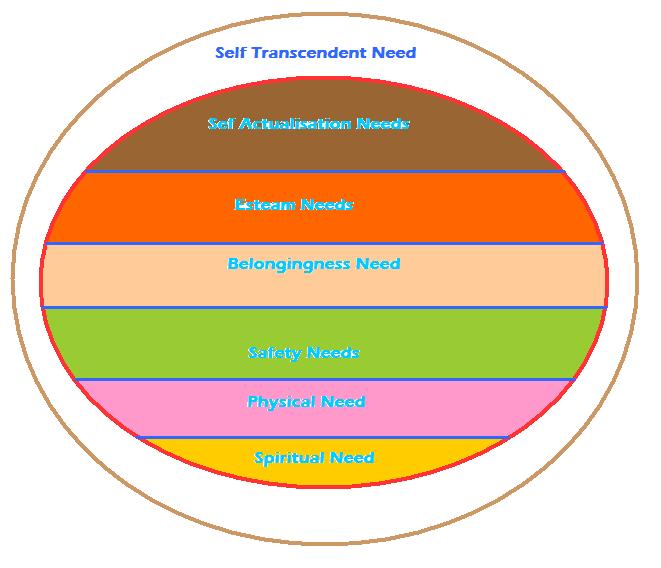
According to the famous Humanitarian Psychologist Abraham Maslow, there is a hierarchy of needs to fulfill for one to achieve self actualization and self transcendence.

The basic premise of the model is: Each of us is motivated by needs. Our most basic needs are inborn, having evolved over tens of thousands of years. Abraham Maslow’s Hierarchy of Needs helps to explain how these needs motivate us all. Maslow’s Hierarchy of Needs states that we must satisfy each need in turn, starting with the first, which deals with the most obvious needs for survival itself. Only when the lower order needs of physical and emotional well-being are satisfied,   we concern with the higher order needs of influence and personal development. Conversely, if the things that satisfy our lower order needs are swept away, we are no longer concerned about the maintenance of our higher order needs.

In this humanitarian Psychologist’s view basic need of the human being is the   physiological need such as food, water and air and so on. But in today’s gospel our Divine psychologist swears that the basic and ultimate need of a son of man is to fulfill the will of God. “My meat is to do the will of him that sent me, and to finish his work.”(John 4: 34). What does it mean? Does He against the basic human needs. Never, He is not against the basic needs of Human being, but he wants to give the message that the basic need of a human being should be “to do the will of God”.

In this Modern world we fail to give priority for our spiritual needs. We give priority to our other needs that the humanitarian psychologist suggests. As Christian we are supposed to see and be conscious to fulfill our spiritual need that which the God wants to be fulfilled fist in our life.  

After a while Abraham Maslow proposed another theory as Self transcendent theory, as an addition to the self actualization theory. He says even though one has achieved his self actualization needs, there he will feel a vacuum in his life. Which he termed as Self-transcendence: to connect to something beyond the ego or to help others find self-fulfillment and realize their potential.

Here Jesus the true God says us that the self transcendence is possible if we give priority to our spiritual needs in our life for fulfilling the will of God. Jesus says

"But seek ye first His kingdom and His righteousness, and all these things will be given to you as well." -Matthew 6:33

As Christians, we have to rearrange our hierarchy of needs in a circular shape, instead of Abraham Maslow’s Pyramidal shape.


The human needs will be either achieved either fully or partially. Once if our spiritual need is fulfilled our other needs will be fulfilled automatically. We can experience self-transcendence through out our life if we give priority to spiritual needs in our life. Jesus teaches his disciples that the rest of the human needs will be fulfilled by the grace of God or fulfilling that needs are not a matter for the existence of a spiritual man. We can achieve a transcendent life with out fulfilling the lower needs. 

We can say that it will change the importance of each need in a person’s life according to the situations. For example, we all have heard many stories of parents who were willing to die for their children. The parent placed far less importance on their own physiological and safety needs and far more importance on their love and belonging needs. The starving artist is another example of someone who places a greater importance on aesthetic needs than other needs.

Dear friends let us all give priority for the will of God and to fulfill his work in our life. Let it be our basic need.

Tuesday, 27 April 2010

St.Gregorios Abdul Galeel Dukhrono Perunnal

The festival of  St.Gregorios Abdul Galeel Dukhrono Perunnal is celebrated on 27th  April every year  in Mor Thoma  Jacobite Syrian Orthodox Church at Vadakkanparavoor, situated near the Cochin city of Kerala. This church is dedicated to the famous apostle of Jesus Christ, St Thomas. 
According to the history and traditions of the Indian Church, Apostle St. Thomas (Mor Thoma Sleeho) who reached 'Maliankara' (Malankara) in AD 52 had established a Church at 'North Paravur' (then known as Kottailkavu). This is said to be the first Christian congregation in India. This historic site is located just a few miles south of the ancient port of Kodungallor (Cragnannor). The early Christian converts are believed to be, the Jewish settlers who migrated to the India for trade purposes and also some upper caste Hindus. North Paravur in the early centuries was the most prominent Christian centre in India and it still holds a unique position in the Malankara Church.
St. Gregorios Abdul’ Galeel, the Syrian Orthodox Metropolitan of Jerusalem who came to India in AD.1665 on the request of the Malankara Church to reinstate the Holy Apostolic faith here, is remembered by the local Syrian Christian community with great veneration. It was his untiring efforts that helped to revive the ancient faith and traditions of the Malankara Syrian Christian Church.

His Holiness was born in the city of Mosul in Iraq.  In AD.1654 he was ordained Metropolitan by name 'Thimotheos' for the Omid diocese (Ameed/Diyarbaker) in Turkey by the Patriarch of Antioch Mor Ignatius She'mun. After ten years, the Patriarch elevated him as the Archbishop for the Syrian Orthodox Archdiocese of Jerusalem. In view of the historical importance of the city of Jerusalem in the Christian Church, the Metropolitan residing here was often referred as the 5th Patriarch in the Syrian Orthodox Church. 'Mor Gregorios' was the honorable title entrusted to this Jerusalem Patriarch who was within the spiritual supremacy of the Holy Patriarchal See of Antioch. Thus from his assumption as the Metropolitan of Jerusalem diocese,  Mor Timotheos came to be known as 'Mor Gregorios'.  

During the 16th and 17th Centuries, Malankara Jacobite Syrian Church was subjected to different kinds of religious persecution and suppression from external forces. In that period, first the Nestorians through their emissaries, and later the Catholic Church with the help of Portuguese, established their foothold in Malankara. In 1653, Patriarch Mor Ahatullah who was on his way to Malankara was murdered by the Portuguese navy and drowned in the Arabian Sea. The desperate Malankara church leadership appealed to the Patriarchate for immediate help. To discuss about the serious situation, the Patriarch of Antioch summoned an Episcopal Synod and decided to send his delegate to protect the interests of the Syrian church in Malankara. The mission was boldly undertaken by Archbishop Mor Gregorios Abdul' Jaleel Bava. During his journey he had to encounter many hardships, ultimately he landed near Ponnani, then an important port in north Kerala, in 1665. Bava was fully conscious of the situations prevailing in Malankara and was prepared to face any untoward instances. He stayed there in disguise until some parishioners of the St. Thomas Church, North Paravur visited the place to whom he revealed his identity. They took him to their church and informed others. Thomas Arkadiyokan (the one who was giving leadership to the Malankara church) and others rushed to place, all were very happy to see the delegate from the Apostolic See. Soon after, Mor Gregorios Bava ordained Thomas Arkadiyokan as bishop in the name 'Marthoma I'. With this single act, the holy father reestablished the Malankara-Antioch relationship which was cut off during some time. Later both these bishops jointly travelled the length and breath of Kerala, visiting various Churches and preached to the people and revived the spiritual traditions and faith of the Syriac Christians. In 1670 Mor Gregorios and Marthoma the first, together ordained Marthoma the second. But for His Holiness timely action, the Malankara Church in its present form should not have been in existence. As he was responsible for the re-establishment of Jacobite (Orthodox) faith, Mor Gregorios is known as "Yakub Burdana" of Malankara. Due to the abound love and respect showered on Him by the faithful of the St. Thomas Jacobite Syrian Church, North Paravur, the holy father stayed on for about 7 years there. On 27th April, 1681 A.D. (M.E. 857 Medom 14th, Friday), His Holiness was called to eternal rest and entombed in the North Paravur Church. The sacred tomb of the saintly father has subsequently became a Holy Place for the Syrian Christians.

Thousands of Pilgrims visit the tomb every year seeking his intercession. On April 9, 2000, the supreme head of the Syriac Orthodox Church of Antioch & all the East, H.H the Patriarch Ignatius Zakka I, through an historical bull, permitted to recite the Quqalya hymns and prayers of the Zadeeqo (saints) at the tomb of Mor Gregorios Abdel`Jaleel Bava and beseech his intercession. 

Thursday, 22 April 2010

April 23rd. - St. George day

The world is celebrating the memory of Mor Geevarghese Sahada on April 23rd. St. George was a Roman soldier from ancient Palestine in the third century AD. Hagiographers (those studying hagiography: the lives and writings of the saints) indicate he was most likely a historic personage in the guard of the Emperor Diocletian (244-311 AD), an emperor notorious for his persecutions of early Christians. In the most popular and most likely scenario of those involving his real life story, George refused to offer up a sacrifice to the gods of the Roman Empire (a type of refusal which was one of the primary issues of discontent between the Roman Empire and monotheistic cults like Christianity and Judaism). When bribery to coerce his sacrifice failed, he was tortured and purportedly killed three times, all the while refusing to renounce his faith and allegiance to the Christian God. Supposedly his devotion to his cause was so moving, that the pagan priest and writer Athanasius and a potentially fictional consort of Diocletian, the so-called Empress Alexandra, were converted on the spot and were executed alongside George.

By the end of the fourth century AD, his worship was popular in the Near East, particularly in George’s native Palestine and in Turkey. He was canonized (made a saint) in the 4th century in 494 AD . But it was the Crusaders in the Middle Ages who made Mor Geevarghese so popular and by their time, St. George’s story had expanded to include what is today its most prominent and romantic element: George’s encounter with a dragon.

Legend has it that during George’s travels with the Roman legionnaires, George found himself in Lydda in Palestine (potentially also his hometown) where a fearsome dragon was holding the town’s water supply hostage. The townspeople had been distracting if with an offering of a sheep a day in order to sneak past it to collect water. But eventually the dragon had tired of sheep (or they had run out of them) and the town had started sacrificing its young woman to the dragon: one a day. The maidens were chosen for sacrifice by lot, and as it happens, the day George strolled into town was the day a local princess was being offered up. George promptly stepped in between the dragon and the princess, crossed himself (hence his emblem the St. George’s cross, which is prominently featured on the flags of the United Kingdom), killed the dragon and rescued the princess. Some legends have him briefly marrying the princess (who is occasionally given the name Sabra) before rejoining the army in order to make it back to Diocletian in time for his later martyrdom; others have him monastically denying her devotion and the reward of her hand in marriage to pursue his celibate military life.

As such, it is appropriate that he is venerated so widely around the world. He is the patron saint of Genoa, Georgia, Germany, Gozo, Greece, Istanbul, Lithuania, Malta, Moscow, Netherlands, Palestine, Portugal, Spain, the United Kingdom, and Venice. He is also known as the patron of shepherds, horses, equestrians, warriors, battles, farmers, fighting diseases (all and specifically snakebites, syphilis, herpes, and leprosy).

Thursday, 15 April 2010

God's Fool - a story

Once there came from the desert to the great city of Sharia a man who was a dreamer, and he had naught but his garment and staff. And as he walked through the streets he gazed with awe and wonder at the temples and towers and palaces, for the city of Sharia was of surpassing beauty. And he spoke often to the passers-by, questioning them about their city—but they understood not his language, nor he their language.


At the noon hour he stopped before a vast inn. It was built of yellow marble, and people were going in and coming out unhindered. “This must be a shrine,” he said to himself, and he too went in. But what was his surprise to find himself in a hall of great splendour and a large company of men and women seated about many tables. They were eating and drinking and listening to the musicians. ‘Nay,’ said 

the dreamer, ‘This is no worshipping. It must be a feast given by the prince to the people, in celebration of a great event.’
At that moment a man, whom he took to be the slave of the prince, approached him, and bade him be seated. And he was served with meat and wine and most excellent sweets.
When he was satisfied, the dreamer rose to depart. At the door he was stopped by a large man magnificently arrayed.
‘Surely this is the prince himself,’ said the dreamer in his heart, and he bowed to him and thanked him.
Then the large man said in the language of the city: ‘Sir, you have not paid for your dinner.’ 
And the dreamer did not understand, and again thanked him heartily.
Then the large man bethought him, and he looked more closely upon the dreamer. And he saw that he was a stranger, clad in but a poor garment, and that indeed he had not wherewith to pay for his meal. Then the large man clapped his hands and called—and there came four watchmen of the city. And they listened to the large man.
Then they took the dreamer between them, and they were two on each side of him. And the dreamer noted the ceremoniousness of their dress and of their manner and he looked upon them with delight. ‘These,’ said he, ‘are men of distinction.’
And they walked all together until they came to the House of Judgement and they entered. 
The dreamer saw before him, seated upon a throne, a venerable man with flowing beard, robed majestically. And he thought he was the king. And he rejoiced to be brought before him.
Now the watchmen related to the judge, who was the venerable man, the charge against the dreamer, and the judge appointed two advocates, one to present the charge and the other to defend the stranger. And the advocates rose, the one after the other, and delivered each his argument. And the dreamer thought himself to be listening to addresses of welcome, and his heart filled with gratitude to the king and the prince for all that was done for him.
Then sentence was passed upon the dreamer, that upon a tablet about his neck his crime should be written, and that he should ride through the city on a naked horse, with a trumpeter and a drummer before him. And the sentence was carried out forthwith.
Now as the dreamer rode through the city upon the naked horse, with the trumpeter and the drummer before him, the inhabitants of the city came running forth at the sound of the noise, and when they saw him they laughed one and all, and the children ran after him in companies from street to street. And the dreamer's heart was filled with ecstasy, and his eyes shone upon them. For to him the tablet was a sign of the king's blessing and the procession was in his honour.
Now as he rode, he saw among the crowd a man who was from the desert like himself and his heart swelled with joy, and he cried out to him with a shout:
‘Friend! Friend! Where are we? What city of the heart's desire is this? What race of lavish hosts, who feast the chance guest in their palaces, whose princes companion him, whose kings hangs a token upon his breast and opens to him the hospitality of a city descended from heaven?’
And he who was also of the desert replied not. He only smiled and slightly shook his head. 
And the procession passed on. And the dreamer's face was uplifted and his eyes were overflowing with light. 

Friday, 9 April 2010

The forgotten plight of Palestinian Christians!


Christians around the world have just finished celebrating the Easter holiday--and thousands did so by making the annual pilgrimage to Jerusalem (where the Church of Holy Sepulchre is one of Christianity's most revered sites). Yet for many Palestinian Christians who have attempted to make this journey, ongoing Israeli restrictions on movement have made this a particularly discouraging holiday, with many being turned away at Israeli checkpoints in the West Bank, specifically in Bethlehem where hundreds demonstrated in the week leading up to Easter. 

These events combined with the recent US-Israel controversies regarding Jerusalem have begun to shine a light on one of the more problematic if underreported issues surrounding the Arab-Israeli conflict: namely, Israel's problematic approach to the protection of religious freedom. This of course is a far cry from the many attempts of Israeli officials and supporters to claim it as a beacon of religious freedom that protects the rights of religious minorities and notably of the Christian community in the Holy Land. The deputy consul general of Israel to Florida and Puerto Rico, Paul Hirschson, recently took this questionable notion to extremes, applauding Israel's efforts to protect the religious freedoms of Christians while claiming the rest of Middle Eastern countries and the international community were indifferent to or exacerbated their plight. Sadly, it is Israel that is at the cutting edge of contributing to this tragic reality for Christians in the region.

Tuesday, 30 March 2010

A date! (A nice story)

After 21 years of marriage, my wife wanted me to take another woman out to dinner and a movie.


She said I love you but I know this other woman loves you and would love to spend some time with you.


The other woman that my wife wanted me to visit was my MOTHER, who has been a widow for 19 years, but the demands of my work and my three children had made it possible to visit her only occasionally.


That night I called to invite her to go out for dinner and a movie.
"What's wrong, are you well," she asked? My mother is the type of woman who suspects that a late night call or a surprise invitation is a sign of bad news.


"I thought that it would be pleasant to be with you," I responded. "Just the two of us."
She thought about it for a moment, and then said, "I would like that very much."


That Friday after work, as I drove over to pick her up I was a bit nervous. When I arrived at her house, I noticed that she, too, seemed to be nervous about our date. She waited in the door with her coat on. She had curled her hair and was wearing the dress that she had worn to celebrate her last wedding anniversary.


She smiled from a face that was as radiant as an angel's.


"I told my friends that I was going to go out with my son, and they were impressed, "she said, as she got into the car. "They can't wait to hear about our meeting".


We went to a restaurant that, although not elegant, was very nice and cozy. My mother took my arm as if she were the First Lady. After we sat down,
I had to read the menu. Large print.. Half way through the entries, I lifted my eyes and saw Mom sitting there staring at me. A nostalgic smile was on her lips.


"It was I who used to have to read the menu when you were small," she said.
"Then it's time that you relax and let me return the favor," I responded.


During the dinner, we had an agreeable conversation - nothing extraordinary, but catching up on recent events of each other's life. We talked so much that we missed the movie.


As we arrived at her house later, she said, "I'll go out with you again, but only if you let me invite you." I agreed.


"How was your dinner date?" asked my wife when I got home. "Very nice. Much more so than I could have imagined," I answered.


A few days later, my mother died of a massive heart attack. It happened so suddenly that I did to do anything for her.


Some time later, I received an envelope with a copy of a restaurant receipt from the same place mother and I had dined.


An attached note said: "I paid this bill in advance.. I wasn't sure that I could be there; but nevertheless, I paid for two plates - one for you and the other for your wife. You will never know what that night meant for me. I love you, son."


At that moment, I understood the importance of saying in time: "I LOVE YOU!" and to give our loved ones the time that they deserve.


Nothing in life is more important than God and your family. Give them the time they deserve, because these things cannot be put off till "some other time."

Wednesday, 24 March 2010

Yoga & Positive Mental Health

The importance of yoga and it's role in healing and preventing various disorders has been developed over centuries of research and experience.They have been found to be extremely effective.It is important to have a proper yoga mat.Please visit Yoga Mats in order to have a safer and and more convinient mat.


Major role of yoga is to:

  • Increase the flexibility of body and preving formation of energy blocks which leads to a healthier body.
  • Massage the internal organs of the body and the rarely stimulated parts such as the thyroid gland.
  • Help obese people to loose extra fat and weight which is one of the major causes of illness.
  • it can heal various health disorders such as back ache,arthritis etc and even stammering.
  • it imroves systemic circulation of blood through out the body and there by increase of oxygen to tissues.
  • improves gastrointestinal tract(stimulates secretions in hypo conditions)
  • prevents protien load on kidney
  • improves psychology and patient has a more positive attitude towards life.

Ways to Destress

  1. Make proper use of your leisure time.This may include things as simple as journaling, reading a great book, taking a bubble bath, yoga, etc.Visit vacation international points club to spend a good quality time and plan holidays with family.
  2. Try to keep yourself busy so that you can forget the things that stress you and that can relax your mind
  3. Heal yourself-I think the most effective ways to do that is exercise,a good healthy and a nurtious diet,regular sleep,by limiting your alcohol intake,and say no to smoking.
  4. Be positive- Have a positive attitude towards life no matter what you are doing.What you tell yourself has a a very strong impact in your present and future.Start loving yourself,try to have pleasing thoughts in your mind and that will make you lead a life that you want to live.
  5. Work in the feild you love-This is very important to destress yourself.If you are like most of people who spend most of their waking hours working then you must love your work.
  6. Try to have supportive people around you.That can make you feel confident and such people can easily solve your problems.In other words they take you away from stress.

Tuesday, 23 February 2010

PATRIARCHAL DAY

PATRIARCHAL DAY
Bar 'Eato Briro Dr. Babu Paul

February 22 is remembered by the church as the day of Peter establishing his throne in Antioch. The Roman Catholic Church also observes this day, of course without mentioning Antioch or Rome, as Cathedra Petri.
 

That Peter had a special place among disciples is beyond doubt.That it was he who confessed the faith is also undisputed. That he did that without realising the cost involved is also clear; that is why in the very breath after calling him Peter our Lord had to admonish him.That he disowned his Guru is accepted, but often we do not recall that it happened because he did not run away like the rest except of course John; his offence was one which could have been committed only by a disciple who was loyal and "foolhardy" if not brave.There is something of Peter in all of us.The greatest plus point of Peter is his willingness to allow Jesus to restore him to grace. Peter disowned and Judas betrayed, Peter was restored to primacy but Judas had to be replaced; the response to guilt was different and that made the difference. This grace is obvious in the case of Thomas also; how kindly Jesus treats his doubt; He invites Thomas to satisfy himself and that was enough for Thomas to say My Lord and My God, he did not any longer need to feel the wound physically.(Like the number of the Magi we just assume that Thomas satisfied himself by putting his hand in the wound etc. Bible does not say that, just as the Bible does not saythat there were THREE wise men). For Peter a look was enough. For Thomas an offer was enough. As the church remembers "Cathedra Petri" let us look into ourselves to identify the Peter in each of us, and ensure that we honour the Call each of us has received.The times when we have jumped into the sea moved by faith and the times when we began to sink for want of adequate faith. The times when we declared faith in the Son of God and the times when we tried to make God conform to our plan for Him(and consequently for us). The times when we were scared and/or ashamed to confess our linkage with Him and the times when He by a sad look transmitted in silence made us realise our folly thus inviting us to repent and be restored.The times when we in despair thought of returning to fishing for fish and the times when He waited on the shore with breakfast ready to make us fishers of men.Feb 22, as indeed any memory associated with Peter, should prompt us to introspect and depend on God to carry out any correction of the course of our life; Peter's is one of the most reassuring examples for ordinary mortals like us, falling and being helped by Him to rise again.
 

Secondly this feast should remind us of our faith. Faith of the fathers, as I explained last Sunday in Trivandrum church, is three dimensional as explained by Paul to the elders of Ephesus(Acts 20, cf. last Sunday's reading from Acts): the relationship with God(: 21 ), the realisation of my calling(: 24 ) and the responsibility for the neighbour(: 35 ). Everything else comes in the lower dimensions of faith, be it the canon of the Bible, or the perpetual virginity of the Theotokos, or the one-time baptism. Even lower in significance would fall the traditions of the church, administrative or ritualistic, and the more mundane aspects of church life. When we remember the establishment of the Petrine Throne we should not be carried away to uncharitable positions or untenable premises; on the other hand we should recall the faith of Peter, and Eudius,and Ignatius, and all the saintly souls who left for us their shining commitment to Christ.
 

Thirdly we should use this as a day to pray for the Patriarch, HH Moran Mor Ignatius Zakka I Iwas. He is a man of prayer and a good soul. I should know: I have known him closely for almost a quarter century now, and HH has taken me in such confidence that I know more about his strengths AND weaknesses than any other Indian(!), it is not as if he is all virtue, he is a human being too, but a far better human being than most I have seen in 61+ years.Let us pray that HH be strengthened in his strong points, and supported in his weaknesses by the Holy Spirit.Every time I speak to Moran he, the head of my church and successor to St. Peter, asks me to pray for him; that is humility. We his followers should ensure that by our words and conduct we do not give the impression that our Patriarch is a selfseeking powerhungry ordinary man perched on an undeserving throne: we owe it to him, if we genuinely respect him. I do not know how many of us pray for him everyday. I do, and I hope that at least a few of those who read this would start the practice from this day on.
 

Let us pray for reinforcement of our faith, for resetting of priorities as Holy Spirit guides us, and for long life and happy times for our Patriarch. A celebration like the one at Manarcadu may be necessary to keep up the morale but if in the process we lose sight of the greater goals of the pilgrim church which is perennially on its march to the New Jerusalem Lord have mercy.
 

- Dr. Babu Paul

Monday, 15 February 2010

മഞ്ഞിനിക്കരയിലേക്ക് മനസ്സുകൊണ്ടൊരു തീറ്ത്ഥയാത്ര

Article by Rev. Dn. Aji George, Rome

മനുഷ്യരാശിയുടെ തുടക്കം മുതലെ അവന് യാത്രയിലായിരുന്നു. നാടും വീടും വിട്ട്, മലകളും താഴ്വാരങ്ങളും താണ്ടി പുതിയ മേച്ചില് പുറങ്ങള് തേടിയുളള അവന്റ്റെ ഈ  യാത്ര കാലത്തിനും സമയത്തിനും പോലും പുതിയ നിറ്വചനങ്ങള് നേടി കൊടുത്തു. ജീവിതത്തില് ദൈവത്തെ മനുഷ്യന് കണ്ടുമുട്ടുമ്പോള് അവന്റ്റെ പ്രയാണം തീറ്ത്ഥയാത്രയും ദൈവത്തെ ദറ്ശിച്ച ഇടം പുണ്യസ്ഥലമായും രൂപം പ്രാപിക്കുന്നു. അങ്ങനെ സ്വറ്ഗ്ഗവും ഭൂമിയും ഒന്നു ചേറ്ന്ന ഈ ഇടങ്ങള്  സ്വറ്ഗ്ഗത്തിന്റ്റെ ചക്രവാളങ്ങളെ  അവനെ കാട്ടികൊടുക്കുകയും,  പ്രകൃതിയെയും മനുഷ്യനെയും ദൈവീകരിക്കുന്ന പുണ്യസ്ഥലമായി അവന് അതിനെ തിരച്ചറിയുകയും ചെയ്യന്നു എന്നതിലാണ്  ഒരറ്ത്ഥത്തില് എല്ലാ അദ്ധ്യാത്മീകാനുഭവത്തിന്റ്റെയും ആദിരൂപം നിലകൊളളുന്നത്.
മിക്ക മതങ്ങളിലും ഇങ്ങനെ ദൈവീകതയുടെ, അല്ലങ്കില് വിശുദ്ധരായ ചില മനുഷ്യരുടെ ദിവ്യസാമിപ്യംകൊണ്ട് ബഹുമാന്യമായി കണക്കാക്കപ്പെടുന്ന ഇടങ്ങളുണ്ട്. വറ്ഷങ്ങളുടെ പ്രാറ്ത്ഥനാനുഭവങ്ങളുടെ കഥപറയുന്ന ഇടങ്ങള്. മറ്റുളളവരും ഇവിടങ്ങളില് ദൈവസംസറ്ഗ്ഗമുളള മനുഷ്യരുടെ സഹവാസം കൊണ്ട് അനുഗ്രഹിക്കപ്പെടുന്നു. അതുകൊണ്ട് പ്രാറ്ത്ഥനയും വിശുദ്ധിയും നിറഞ്ഞ ജീവിതാനുഭവങ്ങള് നല്കുന്ന ഇടങ്ങളായാണ് പുണ്യസ്ഥലങ്ങളെ ജനങ്ങള് എവിടെയും കാണുന്നത്.

തീറ്ത്ഥാടനം എന്ന പദം മനുഷ്യഹൃദയങ്ങളിലെത്തിക്കുന്ന ആദ്യചിത്രം വിശുദ്ധി തേടിയുളള  ഒരു നീണ്ടയാത്രയുടേതാണ്. അതൊരു വേള ഭൌതികമായ ഒരു പ്രയാണമായിരിക്കണമെന്നു പോലുമില്ല, ഒരു ആത്മാന്വേഷണത്തിനായുളള യാത്രയുമാവാം.  അല്ലെങ്കില് ഉളളിലിനിന്നുളള ദൈവസ്നേഹത്തിന്റെ പ്രവൃത്തീരൂപം പൂണ്ട ഒരു പ്രതികരണമാണെന്നും വരാം.   ദൈവം അവനെ പേരു ചൊല്ലി വിളിച്ചതിനുളള മറുപടി പോലൊരു യാത്ര. എന്നെ അനുഗമിക്കുവിന് എന്ന ക്ഷണത്തിന് ഉത്തരമായുളള ആക്ഷരീകമായ പ്രാറത്ഥനാ പൂറവ്വമുളള പിന്പറ്റല്.
ഇതു ഏതുതന്നെ ആയാലും, തീറ്ത്ഥയാത്രകള് വേദപുസ്തകത്തിലെ ദൈവാനുഭവങ്ങളുമായി കെട്ടു പിണഞ്ഞുകിടക്കുന്നു. പാപം മൂലം പറുദീസ നഷ്ടപ്പെട്ട മനുഷ്യന് അന്നുമുതല് കിഴക്കുളള പറുദീസവീണ്ടെടുപ്പിനായി ഒരു രക്ഷകനെ തേടുകയായിരുന്നു, ക്രിസ്തുവിനെ നമുക്കു ലഭിക്കുന്ന നാള് വരെയും. ഇസ്രായേലിന്റ്റെ വാഗ്ദത്തനാട്ടിലേക്കുളള 40 വറ്ഷങ്ങള് നീണ്ടയാത്രയും നമ്മേ ഓറ്മ്മിപ്പിക്കുന്നത് മനുഷ്യജീവിതം ഒരുയാത്രയാണന്നു തന്നെയാണ്.
യേരുശലേമിലേക്ക് പെസഹാപ്പെരുന്നാളിനു സംബന്ധിക്കുവാനുളള യാത്ര വറ്ഷാവറ്ഷം ആവറ്ത്തിക്കുന്ന യിസ്രായേല്യറ് അവരുടെ ദൈവമുമ്പാകെ കടന്നുചെല്ലാനുളള, അഥവാ തീറ്ത്ഥയാത്രക്കായുളള വിളിയായാണ് ഇതിനെ   കണക്കാക്കിയിരുന്നത്. എന്നാല് ഒരു ആചാരം എന്നതിന്റ്റെ തലത്തെ ഒഴിവാക്കി സേവനത്തിന്റ്റെയും ദൈവാനുഭവത്തിന്റ്റെയും ഒരു തീറ്ത്ഥയാത്ര കന്യകാമറിയത്തിന്റ്റെ ഏലിസബേത്തിന്റ്റെ അടുക്കലേക്കുളള യാത്രയില് നാം ദറ്ശ്ശിക്കുന്നുണ്ട്. ഇത്തരത്തില് മറിയം ക്രിസ്തീയതീറ്ത്ഥയാത്രക്ക് ഒരു പുതിയമാനം നല്കുന്നുവെന്നതില് സംശയമില്ലതന്നെ.
ഇസ്രായേല്ക്കാരുടെ യാത്രകളും, മനുഷ്യ രക്ഷക്കുവേണ്ടിയുളള ക്രിസ്തുവിന്റ്റെ കാല് വരിയാത്രയും മനുഷ്യജീവീതയാത്രയും നമ്മുടെ ആരാധനക്കും ഒരു യാത്രയുടെ രൂപവും ഛായയും പകരാന് കാരണമായി. തങ്ങളുടെ നഷ്ടപ്പെട്ടുപോയ  കിഴ്ക്കുളള പറുദീസയിലേക്ക് , ദൈവരാജ്യത്തിലേക്ക്, തിരികെ യാത്രചെയ്യുന്ന മനുഷ്യസമൂഹമെന്നാണ് ഇവിടെ പുരോഹിതന്റ്റെ നേതൃത്ത്വത്തില് കിഴക്കോട്ട് തീരിഞ്ഞ് ആരാധിക്കുന്ന വിശ്വസികളുടെ സമൂഹം നമ്മെ അനുസ്മരിക്കുന്നത്. അങ്ങനെ നമ്മുടെ അദ്ധ്യാത്മീക ദറ്ശനം പോലെ നമ്മുടെ ആരാധനയും ഓറ്മ്മിപ്പിക്കുന്നത് തീറ്ത്ഥാടനത്തെ തന്നെയാണ്.
ഭാരതത്തിലെ ദൈവശാസ്ത്രചിന്തകളും, ആരാധനാ രീതികളും ഇത്തരമൊരു ദിവ്യപ്രയാണത്തോട് ബന്ധപ്പെട്ടുരിക്കുന്നു. ഹിന്ദു, ക്രിസ്ത്യന്, ഇസ്ലാം മതങ്ങളിലെല്ലാം ഇത്തരം വിശുദ്ധയാത്രയുടെ ആചരണത്തെ നമുക്കു ദറ്ശിക്കാം. യാക്കോബായ സുറിയാനി സഭയില് ഇന്നു നടത്തപ്പെടന്ന അനേകം തീറ്ത്ഥയാത്രകളില് ഏറ്റവും പ്രധാന്യമറ്ഹിക്കുന്നതാണ് മഞ്ഞിനിക്കരയിലേക്കുളള പദയാത്രയെന്നതില് സംശയമില്ല. 1932 ഫെബ്രുവരി 11ന് മഞ്ഞിനിക്കരയിലേക്കെഴുന്നളളിയ പ. ഇഗ്നാത്യോസ് ഏലിയാസ് തൃതീയന്‍പാത്രിയര്‍ക്കീസ്ബാവാ 1932 ഫെബ്രുവരി 13ന് അവിടെ വച്ച് കാലം ചെയ്ത് ദയറായില്‍കബറടക്കപ്പെട്ടതു മുതല് പ. ബാവായുടെ ഓര്‍മ്മദിനമായ ഫെബ്രുവരി 13ന് എല്ലാ വര്‍ഷവും ആയിരക്കണക്കിനു തീര്‍ത്ഥാടകരാണ് പദയാത്രികരായി ഇവിടേക്ക് കടന്നുവരുന്നത്. ഇന്ന് ഈ പദയാത്ര ഏഷ്യായിലേക്കും വലിയ കാല്നട തീറ്ത്ഥയാത്രയായി വികാസം പ്രാപിച്ചിരിക്കുന്നു. അന്ത്യോക്യായിലുളള പരിശുദ്ധസിംഹാസനത്തില് നിന്നും ഇന്ത്യയിലേക്കുളള പരിശുദ്ധ പിതാവായ ഇഗ്നാത്തിയോസ് ഏലിയാസ് ത്രിതിയന് ബാവായുടെ വരവിനെ ചരിത്രകാരന്മാരാറ് കാണുന്നത്  മലങ്കരസഭയോടുളള  പിതാവിന്റ്റെ അച്ഞല സ്നേഹത്തിന്റ്റെയും വാത്സല്യത്തിന്റ്റെയും പ്രതികരണമായിട്ടാണ്. താന് ഭരമേറ്റിരിക്കുന്ന ദൈവജനത്തിന്റ്റെ ക്ഷേമാന്വേഷണത്തിനും നിരന്തരം വേട്ടയാടിക്കൊണ്ടിരിക്കുന്ന പ്രശ്നങ്ങളുടെ നിത്യ പരിഹാരങ്ങള്ക്കുമായാണ് ആ പിതാവ് മലങ്കരയിലേക്ക് എഴുന്നളളിയ്ത്.   തന്റ്റെ ആസ്ഥാനം വിട്ട് ആടുകളെ തേടിയിറങ്ങിയ ഒരു നല്ല ഇടയനായി ആ പരിശുദ്ധ പിതാവിനെ വിശ്വാസികള് തിരിച്ചറിഞ്ഞു. തങ്ങളെ തേടിയ ഇടയന്റ്റെ സ്നേഹവും ത്യാഗവും തിരിച്ചറിഞ്ഞ ജനം, തങ്ങളുടെ വീടും നാടും വിട്ട് പദയാത്രക്കിറങ്ങുമ്പോള് അതേ സ്നേഹം തിരിച്ചു പ്രകടിപ്പിക്കുകയും, ഒപ്പം തങ്ങളുടെ വേദനകളും യാചനകളും ആ പിതാവിന്റ്റെ മദ്ധ്യസ്ഥതയില് ദൈവസന്നിധിയില് സമറ്പ്പിക്കുകയുമാണ് ചെയ്യുന്നത്.

ആ പുണ്യാത്മാവിന്റ്റെ പാദസ്പറ്ശനത്താല് അനുഗ്രഹിക്കപ്പെട്ട ഇടമാണ് മഞ്ഞിനിക്കര ദയറ. ആയിരങ്ങള് ഈ പെരന്നാള് ദിവസങ്ങളില് പരിശുദ്ധന്റ്റെ കബറിങ്കലേക്കു ഒഴികിയെത്തുന്നു. മഞ്ഞിനിക്കരയിലേക്കുളള തീറ്ത്ഥയാത്രയില് പങ്കുചേറ്ന്നവറ്ക്ക് അറിയാം, ഈ പ്രയാണം ഒരു വേള ഒരു ആത്മീയ പ്രവാഹത്തില് അലുഞ്ഞു ചേറ്ന്നുകൊണ്ടുളള ഒരു യാത്രയാണ്ന്ന്. ഹൃദയം തുറന്ന ഒരു കുമ്പസാരം പോലെയോ, ഒരു നിസാഹയന്റ്റെ യാചനപോലെയോ, ഒരു വിശ്വാസിയുടെ അറ്ച്ചനപോലെയോ ഒക്കെയുളള ഒരു യാത്ര. ഈ കൃപയുടെ കാലഘട്ടത്തില് തീറ്ത്ഥാടകന് അവിടെ തേടുന്നത് ആത്മീയമായ ഒരു പുതുക്കപ്പെടലാണ്, വിശ്വാസത്തിലും, പ്രത്യാശയിലുമുള്ള പുതുക്കപ്പെടല്. അങ്ങനെ ഈ തീറ്ത്ഥാടനം നമ്മെ ഭൂമിയുടെ ഏതൊക്കെയോ വഴികളിലൂടെയും ഇടവഴികളിലൂടെയും മാത്രമല്ല,  മനസിന്റ്റെ  ഇടവഴികളിലൂടെയും തെരിവുകളിലൂടെയും കൂടിയാണ് കൊണ്ടുപോകുന്നത്. കാരണം തീറ്ത്ഥയാത്രയെന്നത് മനസിനുളളിലൂടെ പോകുന്ന യാത്രകൂടിയാണ്. കൂട്ടംകൂടി തീറ്ത്ഥാടനം നടത്തിയാലും മനുഷ്യന് ഓരോ തുരുത്തുകളായല്ലേ സഞ്ചരിക്കുന്നത്?. ഇവിടെ ലക് ഷ്യത്തെക്കാള് പ്രധാനം മാറ്ഗ്ഗം തന്നെയാണ്. കാരണം ഈ പദയാത്രാനുഭവമാണ് നവീകരണത്തിനുളള മാറ്ഗ്ഗമായി ഇവിടെ മാറുന്നന്നത് എന്നതു തന്നെ. അതിനറ്ത്ഥം തീറ്ത്ഥാടകന് ഒരു ലക് ഷ്യം വേണ്ടയെന്നല്ല, നിശ്ചയമായും വേണം. അവന്റ്റെ ആത്മീയ അന്വേഷണത്തിന്റ്റെ ഏകകമാകുന്നത് അവന്റ്റെ ഈ ഭക്തിയുടെ ബഹിറ്സ്ഫുരണമെന്നെ ഇവിടെ വിവക്ഷയുളളു.
മഞ്ഞിനിക്കരയിലേക്കു നടത്തുന്ന തീറ്ത്ഥയാത്രകള് ദൈവസ്നേഹത്തിന്റ്റെ ഉറവുകളെ നമ്മിലേക്ക് ഒഴുക്കുന്നു എന്നതിനോടൊപ്പം, ജാതിമതവറ്ഗ്ഗവറ്ണ്ണലിംഗപ്രായഭേദമെന്യെ അനേകരൊരുക്കുന്ന സ്നേഹവിരന്നുകളും കാരുണ്യത്തിന്റ്റെ സഹായഹസ്തങ്ങളും വഴി  ഒരു പൂറ്ണ്ണമായ അദ്ധ്യാത്മീകനിറവിന്റ്റെ ഒരു സാമൂഹികവശംകൂടി നമുക്കുമുന്പില് ഒരുക്കുന്നുണ്ട് എന്നു കൂടി നാം ഒറ്ക്കണം. ചുരുക്കത്തില് മഞ്ഞിനിക്കരയിലേക്കുളള ഈ തീറ്ത്ഥയാത്ര അനുഗ്രഹത്തിന്റ്റെ പനിമഞ്ഞ് പെയ്യിക്കുന്നത് വ്യക്തിജീവിതങ്ങളിലേക്കു മാത്രമല്ല, ഒരു സാമൂഹികജീവിതവ്യവസ്ഥയിലേക്കുകൂടിയാണ് എന്ന് വ്യക്തം.
മഞ്ഞിനിക്കരയുടെ വിശുദ്ധിയിലേക്ക്, പരിശുദ്ധ പിതാവിന്റ്റെ കബറിങ്കലേക്കുളള യാത്ര വേവുന്ന മനസിനും ആറുന്ന അനുഭവമായി മാറട്ടെയെന്ന് ബാവായുടെ പെരുന്നാള് നാളുകളില് നമുക്ക് ഈ ദൂരത്തിരുന്നു കൊണ്ട് പ്രാറ്ത്ഥിക്കാം. പരിശുദ്ധ പിതാവേ, ഞങ്ങള്ക്കുവേണ്ടി പ്രാറ്ത്ഥിക്കണമേ.
Monday, 1 February 2010

Wie finde ich meine Identität?


„Es steckt in uns eine Ursehnsucht, wer zu sein. Wir möchten zu uns selbst kommen. Als der Neutestamentler Heinrich Schlier vor Jahren starb, fand man in seiner Rocktasche ein Gedicht aus der letzten Zeit seines Lebens: „Was bin ich?" - Von Dietrich Bonhoeffer gibt es ein ähnliches Gedicht, auch dies kurz vor dem Tod geschrieben, in der Haft: „Wer bin ich?" Bei beiden geht durch alle Zeilen das Suchen nach einer christlichen Antwort auf diese Lebens- und Sterbensfrage. 

Wie komme ich zu mir selbst? Wie finde ich meine Identität? - Diese Frage, das ist eine Grundaussage des Glaubens, kann ich nicht mit mir selbst beantworten. Ich kann nicht allein zu mir selbst finden. Mit großer Selbstverwirklichung ist es nicht getan. Der Grund meines Lebens liegt nicht in mir selbst. „Du wärest bald am Ende mit mir, wenn ich nicht eins wäre mit dem, der keine Grenzen kennt" (P.Claudel, Der seidene Schuh). Wer durch sein eigens Tun, durch seine moralischen Anstrengungen oder durch welche Eigenleistung auch immer zu sich selbst kommen und also den Sinn seines Daseins selbst produzieren will, verfällt in eine einzige Lebenslüge. Er verkennt ganz einfach die eigenen Gegebenheiten. Er setzt sich unter den Druck, nicht nur etwas, sondern sich selbst produzieren zu müssen. Genau das ist es, was vor allem der Apostel Paulus „Sünde" und „Tod" nennt. Wer sich selbst produzieren will verliert sich selbst (vgl. Mt 16,25). So gerade betrügt er sich um seine Würde, die er allein seinem Schöpfer und Erlöser verdankt. Diese Würde kann durch keine menschliche Tat überboten und durch keine Untat zerstört werden.
Heinrich Spaemann gibt folgende geistliche Schriftauslegung: Jesus sagt in den Evangelien häufiger, vor allem nach Johannes: „ego eimi" - ich bin, ich bin es. Der geheilte Blinde (Joh 9) bekommt mit seinen geöffneten Augen Jesus in den Blick. Als nun die Leute ihn bestürmen, ob er es wirklich ist, der früher als Blinder dagesessen hat antwortet er: „ego eimi" - ich bin es (wie Jesus es sagt). Durch Jesus hat er seine Identität gefunden. Vorher war er wie ein lebendiger Opferstock, in den die Leute Münzen werfen - ohne Gesicht, ohne „Ansehen". Und nun hat Jesus ihn angesehen und ihm ein neues Ansehen gegeben. Als Petrus bei der Verleugnung Jesus aus dem Blick verliert („Ich kenne den Menschen nicht"), da sagt er: „ouk eimi" - ich bin es nicht. Er hat seine Identität verloren, weil er Jesus aus dem Blick verloren hat. Und erst der Blick Jesu muss ihn wieder zu sich selbst zurückführen: „Und der Herr wandte sich um und sah Petrus an" (Lk. 22,61).

 Trotz allem Dunklen in mir und durch es hindurch sagt Gott ja zu mir und vertraut mir an, was ihm wichtig ist. Weil er mich anschaut, kann ich ihn in den Blick nehmen. Weil ich das Ansehen Gottes genieße, kann ich leben, ohne mich zu überfordern oder mich selbst zu verachten. So münden beide oben genannten Gedicht in die Sätze: „Was bin ich? Gott sieht mich. Ich bin sein Augenblick" (Schlier). „Wer ich auch bin, du kennst mich dein bin ich o Gott" (Bonhoeffer).
 Amor, ergo sum! Ich bin geliebt, also bin ich. Das ist die Möglichkeit, meine Identität zu finden.

(entnommen aus: Franz Kamphaus: Priester aus Passion, Freiburg, Basel, Wien 1993, 52-54.)

Monday, 25 January 2010

The Significance of the Nineveh Nombu for us today (Article by HG.Dr. Geevarghese Mor Koorilose Metropolitan)


Article by HG.Dr. Geevarghese Mor Koorilose Metropolitan

Although the least in terms of the number of days of fast, the "Nineveh Nombu" is one of the most important fasts in the Syrian Orthodox Church tradition. Fasting is meant to be a sign of our giving up of our ego or `selves' for the sake of others. They are, in other words, occasions of self-emptying or `kenosis' of which the supreme example is Jesus Christ himself (Phil.2). Prayer and fasting are two cardinal corner stones of a Christian life. The what , the why and the how of prayer and fasting are clearly explicated in the Sermon on the Mount (Mt.6). Prophet Isaiah brings home to us the concrete manifestation of a genuine spiritual life, itself rooted in prayer and fasting.

Exposing the hypocrisy and the pseudo-spirituality of the people of his time, the prophet challenges them to observe lent and fasting the way God wants them to observe it:

Look, you fast only to quarrel and to fight
And to strike with a wicked fist
Such fasting as you do today
Will not make your voice heard on High
Is such the fast that I choose
A day to humble oneself?
Is it to bow down the head like a bulrush
And to lie down in sackcloth and ashes?
Will you call this a fast
A day acceptable to the LORD?

Is not this the fast that I choose
To loose the bonds of injustice
To undo the thongs of yoke
Is it not to share your bread with the hungry
And bring the homeless to your house
………(Is.58:4-7)


Fasting is an occasion for us to live through the pain of poverty and starvation. For most of us, fasting has become an easy option of `dieting', which many of us do need to shed the extra kilos that gain, given that we all live in a consumerist society such as today's. As my own spiritual guru, the late lamented Yakoob Mar Themotheose thirumeni, taught me, fasting should enable us to feel the pain of hunger, which, in turn, will make us compassionate to the poor and the hungry. Unfortunately, we have lost this dimension of serving the poor some where along the lines. May this time of "Moonu Nombu" be a time for us to reclaim and recover this lost sense of charity and compassion towards the less privileged and the needy among us.

The story of Jonah has many lessons for us. Let me highlight just one of them here. All human beings have some sense of pride and ego within themselves- a false sense of prestige. Prophets were no exception to this rule- Jonah certainly wasn't one. He knew that his obeying God's commandment to preach in Nineveh had some risks involved with it. He knew quite well that his God was a compassionate God. He was asked to bring the message of God's anger and wrath onto the people of Nineveh. He knew that when people would regret their ways of living and return to the LORD, they would be forgiven and redeemed. It happened exactly the way he `feared'. For Jonah it was a matter of great disappointment.

His ego was hurt, his `name' affected and pride shaken. He wanted God to punish the people as he had prophesied so that `his' words would come true. But God thinks and acts beyond our perceptions and calculations. Jonah was much more concerned about his prophecy being fulfilled than God's compassion towards the people and their welfare. It is a clear case where even prophets get their priorities wrong. This, in fact, is a grave temptation for all of us, especially for those who work in the vineyard of the LORD- a desire to keep our `selves' in tact, to get our predictions right, even at the cost of the ruin of others around us. We should always strive for the wellbeing of others even if it comes at the expense of our pride and name.

This is the challenge of all feasts, especially the Nineveh Nombu, to risk ourselves for the sake of the gospel and Christ, particularly for the poor and the downtrodden in whom Christ can be encountered in our daily lives.

May God have mercy upon us, be gracious to us, and accept the fast of the Holy Church, as HE accepted the fast of the people of Nineveh and spared them.